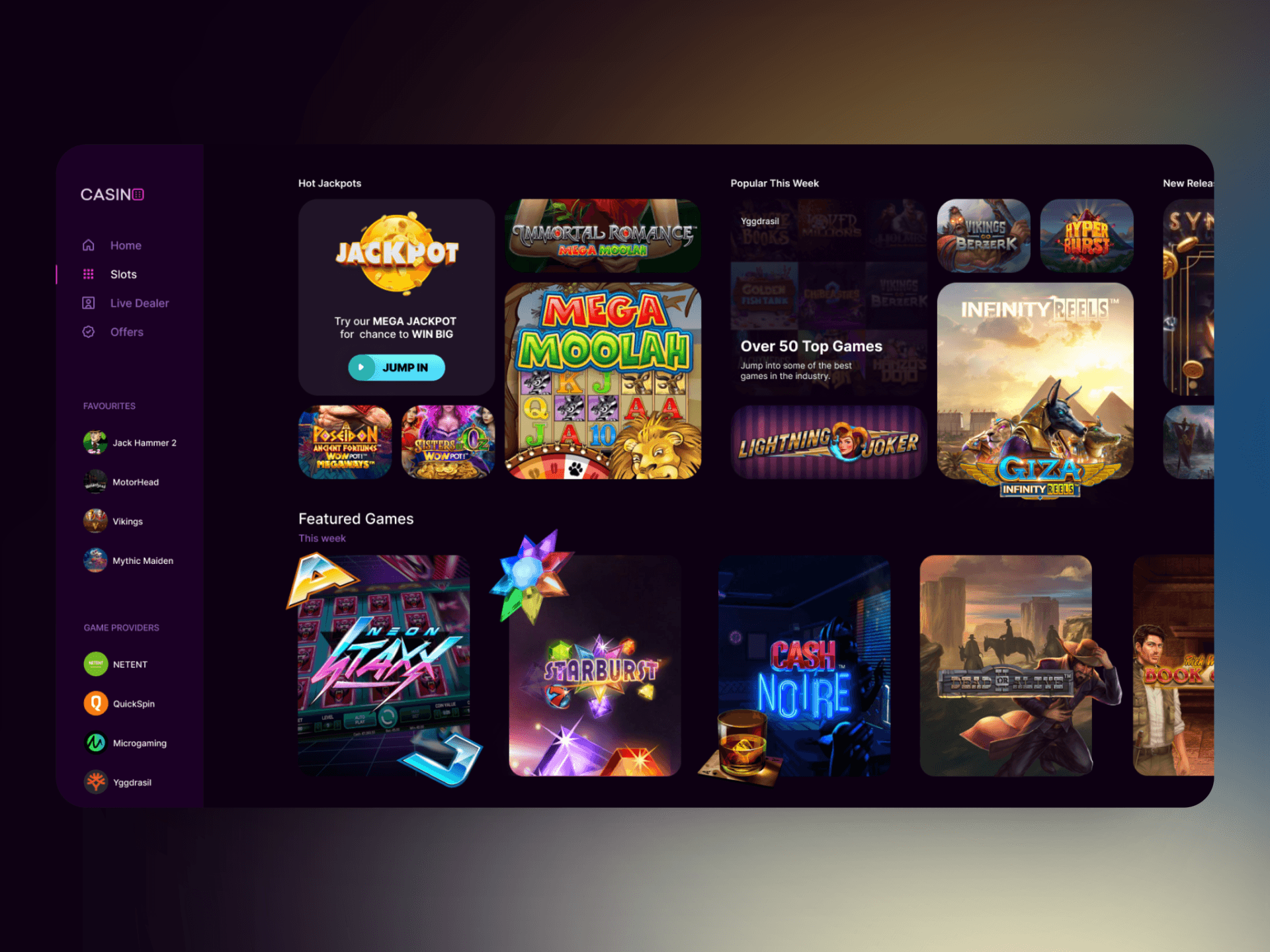
The traditional agency model for iGaming design is broken. A casino UI project at a large agency often runs for months, passes through layers of account management, and lands after the market has moved. The iGaming market moves too fast for that model.
At tilldawn, we've rebuilt our workflow around AI tooling — not to replace design judgement, but to eliminate the time between decision and execution. The result is production-ready casino and sportsbook design, on dates we agree with you before work starts.
What "AI-Accelerated" Actually Means
AI acceleration in design is not about generating logos with Midjourney or letting a tool make creative decisions. It's about removing the friction between thinking and making — so that a senior designer's creative time is spent on problems that require expertise, not on tasks that can be handled by an intelligent assistant.
In practice, this means: using Claude for rapid design brief synthesis, regulatory research, and copy generation; using AI image tools for reference gathering and concept ideation; and using AI-assisted component generation to move from wireframe to production-ready Figma faster than traditional methods allow.
Phase 1: Faster Discovery
Traditional discovery involves weeks of stakeholder interviews, competitive analysis documents, and strategy workshops. We've condensed this without losing depth.
Before a single design call, we run a comprehensive competitive audit using AI-assisted research tools. We map the client's target markets, identify regulatory requirements by jurisdiction, and produce a design strategy document early in the project. Clients arrive at the first design session with a shared strategic context, not a blank slate.
Phase 2: Concept to Production in Parallel
The biggest time sink in traditional design is sequential work: wireframes, then visual design, then developer handoff. We run these phases in parallel using a component-first approach.
Every design decision maps to a component in our iGaming design system. When a lobby layout is approved, the components that compose it are already production-ready. There's no "polishing" phase — we design to production fidelity from day one. This is only possible because our design system is mature and because AI tooling lets us generate component variants faster than we could by hand.
Phase 3: Handoff That Actually Ships
Designer-to-developer handoff is where most projects accumulate weeks of delay. Annotations are incomplete, edge cases are undocumented, and responsive behaviour is ambiguous.
We use Claude to generate design specification documents directly from our Figma files — covering spacing tokens, interaction states, responsive breakpoints, and edge cases. The document is generated, reviewed, and corrected by a senior designer. It takes a fraction of the time it would take to write by hand.
What Doesn't Change
Speed without quality is just fast mistakes. The AI acceleration in our workflow applies to research synthesis, component generation, and documentation — not to the design decisions themselves.
When we decide how a bet slip should behave during an odds suspension, or how a lobby should rank casino games against live casino and sportsbook — those decisions come from 20 years of iGaming product experience. No AI tool can replicate that. What AI does is give us more time to apply that experience, by handling everything around it faster.
The Competitive Implication for Operators
Operators who work with traditional agencies are now at a structural disadvantage. If your competitor can test a new lobby layout, gather data and iterate while your agency is still in discovery, that's not a small gap. That's a market position problem.
The iGaming operators who are going to win the next 5 years are the ones who can design, test, and iterate at speed. We built tilldawn to be the design partner that makes that possible.
Written by tilldawn Studio — iGaming design specialists based in Malta.
Start a project